
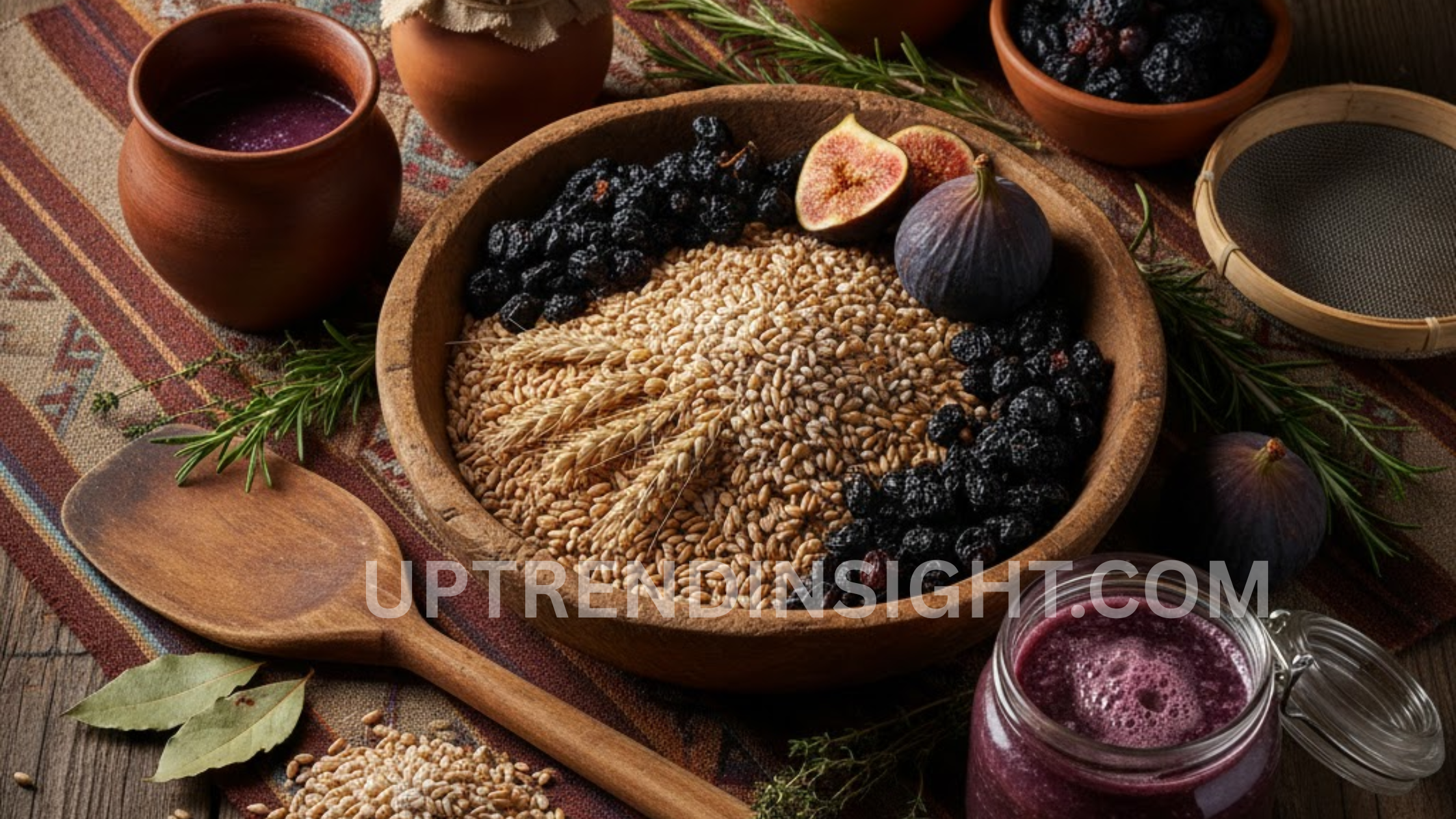
A Deep Dive Into the History, Taste, and Cultural Power of Musté
Musté is more than an ingredient—it’s a taste of history. Across cultures, it has been cherished for its unique flavors, its role in traditional recipes, and even its health benefits. In this article, we’ll explore everything about Musté: what it is, how it’s made, its uses, cultural significance, and why it matters today.
What Is Musté?
At its core, Musté is a fermented ingredient used in cooking or beverages. In some regions, it is a paste made from grains, legumes, or fruits, while in others, it refers to a tangy fermented drink. The exact form varies by local tradition, but the purpose remains the same: to enhance flavor, preserve food, and celebrate culture.
Musté is versatile. You can use it as a base for stews, sauces, or marinades. Some versions add depth to sweet beverages. In every case, Musté adds a unique taste and aroma that store-bought ingredients often cannot replicate.
The Culinary Magic of Musté
Musté shines in the kitchen. Here’s why:
- Depth of Flavor: Fermentation creates a rich, complex taste that improves both sweet and savory dishes. The natural enzymatic process releases umami-rich compounds, giving dishes a deep, satisfying flavor.
- Nutritional Benefits: Many types of Musté contain probiotics, vitamins, and minerals from fermentation, supporting gut health and digestion. Some studies suggest fermented pastes may even boost immunity due to beneficial bacteria.
- Versatility: It can be used in stews, soups, sauces, beverages, or even as a seasoning. Each variety brings a slightly different aroma, from earthy and nutty to fruity and tangy.
Imagine adding a spoonful of Musté to a simple vegetable stew. The flavors transform, creating a dish that feels historic, authentic, and unforgettable.
Musté as a Beverage
In some regions, Musté is enjoyed as a fermented drink rather than a paste. These beverages often combine fermented grains or fruits, resulting in a slightly sour, tangy, and lightly sweet flavor.
People enjoy Musté drinks during:
- Festivals – celebrating tradition and community.
- Family Gatherings – connecting generations over shared recipes.
- Health-focused diets – appreciating the probiotic benefits.
Making Musté as a drink is an art. Fermentation times, ingredient ratios, and temperature control all influence the final taste. A slight change can result in either a mellow sweet drink or a stronger tangy flavor. In some cultures, the fermentation process is accompanied by rituals or ceremonies, highlighting its spiritual and communal importance.
Cultural Significance of Musté
Musté is more than food—it’s culture on a plate.
- Tradition: Many families pass Musté recipes through generations. Some households guard their secret fermentation methods, making it a point of pride and heritage.
- Community: Musté appears in festivals, weddings, and local ceremonies. Sharing Musté symbolize unity, hospitality, and celebration.
- Identity: For many regions, Musté represents heritage, flavors, and ancestral stories. The process, the tools used, and even the ingredients often carry historical meaning.
Sharing Musté connect people. A simple meal or drink becomes a moment of history and togetherness, linking past and present.
The Evolution of Musté
Today, Musté is not limited to traditional kitchens. Chefs and food enthusiasts experiment with new flavors, ingredients, and presentations. You can find Musté in:
- Modern restaurants – as a sauce, beverage, or marinade.
- Artisan markets – in bottled drinks or fermented pastes.
- Fusion cuisine – blending traditional Musté with contemporary recipes.
Despite modernization, its heart remains rooted in tradition, making it a link between past and present. Food festivals celebrating Musté now attract culinary tourists, showing how ancient practices adapt to modern tastes while preserving authenticity.
Musté Preparation: Step by Step
Making Musté requires patience and attention. Here’s a basic outline:
- Selecting Ingredients: Use fresh grains, legumes, or fruits depending on your recipe.
- Cleaning and Preparing: Wash ingredients thoroughly; some recipes involve roasting or lightly cooking before fermentation.
- Fermentation: Place ingredients in a sterile container and allow fermentation to proceed naturally. Traditional methods often rely on ambient temperatures and natural yeast.
- Monitoring: Check daily for aroma, consistency, and taste. The perfect Musté is slightly tangy, rich in aroma, and free from off-smells.
- Storage: Once ready, refrigerate or store in a cool, dark place. Properly prepared Musté can last for weeks or even months.
Health and Safety Tips
While Musté is natural, fermented foods require caution:
- Hygiene: Always use clean tools and containers during fermentation.
- Storage: Keep Musté in a cool, dry place or refrigerate after fermentation.
- Moderation: Overconsumption can upset digestion, especially if you’re new to fermented foods.
Following these simple tips ensures you enjoy Musté safely and deliciously.
Unique Ways to Enjoy Musté
Here are some original ideas:
- Musté Salad Dressing: Mix Musté paste with olive oil, lemon, and herbs.
- Tangy Beverage: Blend fruit-based Musté with sparkling water for a refreshing drink.
- Marinade Magic: Use grain-based Musté as a marinade for meats or vegetables.
- Cultural Fusion: Combine Musté with modern sauces to create new flavor profiles.
- Sweet Touch: Mix fruit Musté with honey or spices to make a unique dessert topping.
These ideas show Musté’s flexibility and its potential for modern kitchens.
Why Musté Matters Today
Musté isn’t just an ingredient; it’s a bridge between:
- Flavor and health
- Tradition and innovation
- Communities and cultures
For food lovers, health-conscious individuals, and cultural explorers, Musté offers unique taste, history, and experiences. It represents a world where food tells stories, connects people, and nurtures the body and soul.
Conclusion
Musté embodies tradition, culture, and culinary magic. From fermented pastes to tangy beverages, it offers flavor, health benefits, and a connection to the past. By exploring Musté, you’re not just discovering an ingredient—you’re tasting stories, heritage, and the art of fermentation.
Embrace Musté in your kitchen. Experiment with recipes. Share it with friends and family. Let this ancient tradition inspire modern culinary creativity and remind us of the rich flavors that have endured through generations.
Explore More
- Yalla Choy: The Trendy Phrase Everyone is Talking About
- Mom Food Important Cool: The Secret to Strong Moms and Healthy Babies