

Discover the Timeless Majesty of California’s Oldest State Park
If you are searching for a place where nature breathes life into your soul, Big Basin Redwoods State Park is the ultimate destination. Located in Santa Cruz County, California, this park offers an immersive experience in one of the most iconic coastal redwood forests in the world. Established in 1902, it proudly holds the title of California’s oldest state park and remains a sanctuary for both wildlife and humans seeking tranquility, adventure, and awe.
From towering ancient redwoods to rushing creeks, winding trails, and breathtaking viewpoints, Big Basin Redwoods State Park delivers a combination of serenity, adventure, and education. Each visit provides an intimate connection with nature and a reminder of the importance of conservation.
The Rich History of Big Basin Redwoods State Park
Big Basin Redwoods State Park owes its existence to early conservationists who recognized the importance of protecting California’s redwoods. The Sempervirens Club, a group of naturalists and environmental enthusiasts, pushed the state to preserve these ancient trees. In 1902, their efforts succeeded, and the park officially opened to the public.
Over the decades, the park grew through additional land acquisitions. Today, it spans approximately 18,000 acres of diverse terrain, including mountains, valleys, streams, and ancient forests. Its establishment marked a significant moment in environmental history, as it demonstrated early recognition of the need to protect natural wonders.
Big Basin also became a California Historical Landmark, symbolizing the state’s commitment to conservation. Visitors can sense the historical significance of the park with every step along its trails, imagining the early park rangers and pioneers who worked tirelessly to safeguard these forests for future generations.
Why the Redwoods Matter
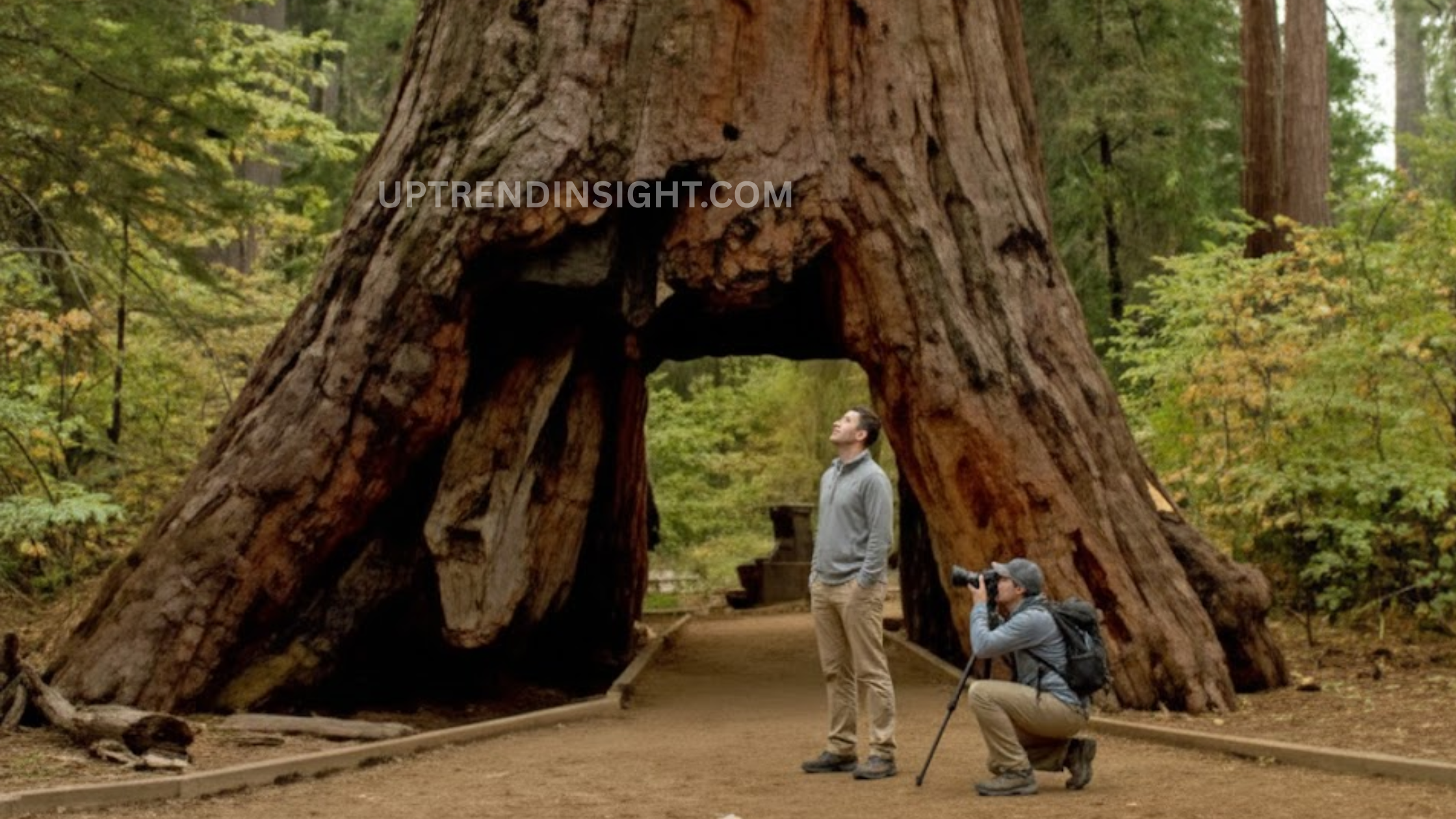
The true heart of Big Basin Redwoods State Park lies in its ancient coast redwoods. These towering trees can reach over 300 feet in height and live for more than a thousand years. Their thick, fibrous bark protects them from fire, and their sheer size commands attention from every visitor.
The park protects approximately 10,800 acres of old-growth redwoods, making it one of the most extensive contiguous forests in the region. Walking among these giants gives a sense of scale and perspective that few other experiences can match. Sunlight filters through the dense canopy, casting patterns of light and shadow on the forest floor. Moss-covered trunks, ferns, and fallen logs create a natural tapestry that engages all the senses.
The redwoods are not just visually striking. They support the health and stability of the forest. They absorb carbon dioxide, support biodiversity, prevent soil erosion, and regulate water flow in streams and creeks. The survival of these trees is essential for both the environment and for the countless species that call the forest home.
Wildlife and Biodiversity
Big Basin Redwoods State Park hosts a rich variety of wildlife, providing a home for countless species. Visitors often spot black-tailed deer, raccoons, squirrels, and foxes, along with smaller mammals like chipmunks and skunks. Birdwatchers will delight in observing over 100 bird species, including woodpeckers, owls, and songbirds.
Amphibians, such as salamanders and frogs, thrive near the park’s streams and wetlands. Seasonal wildflowers bloom in the meadows, attracting pollinators like bees, butterflies, and hummingbirds.
This biodiversity not only makes Big Basin a paradise for nature enthusiasts but also highlights the importance of habitat conservation. Every plant and animal contributes to the forest’s delicate ecosystem, and every visitor has a role in preserving it.
Trails and Hiking Adventures
Hiking in Big Basin Redwoods State Park offers endless opportunities for exploration. The park features a range of trails, from easy loops to challenging backcountry routes. Trails wind through old-growth redwoods, creeks, meadows, and steep ridges.
| Trail Name | Difficulty | Highlights |
| Redwood Loop Trail | Easy | Iconic redwoods, family-friendly, short loop |
| Skyline-to-the-Sea Trail | Moderate to Hard | Long-distance hike, creek crossings, panoramic views |
| Dool Trail | Moderate | Redwoods, forest streams, peaceful environment |
| Sunset Trail | Moderate | Elevated viewpoints, sunlight filtering through trees |
| Fire Roads | Easy to Moderate | Safe access during recovery, scenic viewpoints |
The Redwood Loop Trail provides a short, accessible hike suitable for families and beginners. It passes by famous trees like the “Mother Tree” and the “Father Tree,” offering photo opportunities and a serene forest experience.
For seasoned hikers, the Skyline-to-the-Sea Trail stretches over 30 miles, starting from the Santa Cruz Mountains and descending to the Pacific Ocean. Along the way, hikers encounter diverse ecosystems, from dense redwood groves to open meadows, streams, and waterfalls.
Camping and Outdoor Activities
Camping at Big Basin Redwoods State Park has always been a highlight for visitors. Before the fire, the park offered family campsites, group camps, and backcountry camping, allowing guests to spend nights immersed in nature. While some facilities are still under reconstruction, day-use camping and guided hikes remain excellent ways to experience the forest.
Other activities include:
- Picnicking in designated areas surrounded by redwoods
- Nature photography, capturing the majestic trees and wildlife
- Birdwatching along trails and creeks
- Educational programs, including ranger-led walks and interpretive tours
Whether you seek adventure, relaxation, or learning, Big Basin offers experiences for every type of visitor.
The 2020 CZU Lightning Complex Fire
In August 2020, Big Basin Redwoods State Park faced one of the most challenging events in its history. The CZU Lightning Complex Fire burned nearly 97% of the park, destroying historic structures, campgrounds, and trails. Charred trees and fallen trunks marked the landscape, and large areas became unsafe for visitors.
Despite the devastation, the park’s ancient redwoods demonstrated incredible resilience. Their thick bark protected them from destruction, and many began regrowing shoots from roots. Fire recovery efforts started immediately, with park staff, volunteers, and scientists working together to restore trails, stabilize soil, and monitor wildlife.
Today, visitors can witness a forest in recovery, where burned areas coexist with new growth. This transformation offers a unique perspective on the natural cycle of forests and the strength of ecological resilience.
Recovery and Restoration
Post-fire restoration involves more than rebuilding infrastructure. California State Parks launched the Reimagining Big Basin initiative to reconstruct the park sustainably. This plan focuses on:
- Rebuilding eco-friendly trails and facilities
- Protecting newly sprouted plants and regrowing redwoods
- Managing visitor access to reduce environmental impact
- Educating the public about forest recovery and fire ecology
Visitors today can experience portions of the park while supporting conservation efforts. Walking along restored trails, seeing young redwoods flourish, and observing the forest’s natural regrowth is both inspiring and educational.
Visitor Guidelines and Safety
Because the park is still recovering, visitors must follow specific guidelines:
- Reserve Parking: Day-use parking often requires prior reservations to manage crowding.
- Use Open Trails Only: Many trails remain closed due to hazards like fallen trees and unstable terrain.
- Bring Essentials: Carry water, snacks, sturdy shoes, and navigation tools.
- Respect Wildlife: Do not feed or disturb animals. Observe from a distance.
- Pets: Dogs must remain on leashes and stay in designated areas.
- Follow Safety Signs: Be cautious near fire-damaged areas and avoid restricted zones.
Following these guidelines ensures a safe, enjoyable visit while helping the park recover responsibly.

Educational Opportunities
Big Basin Redwoods State Park offers more than recreation; it is a living classroom. The park hosts:
- Guided hikes explaining flora, fauna, and ecological processes
- Environmental education programs for students and groups
- Interpretive signs along trails describing redwoods, wildlife, and fire ecology
The Rancho del Oso unit connects visitors to the park’s coastal ecosystem and history. Here, guests can explore history exhibits, coastal wildlife, and hands-on educational activities.
Engaging with these programs deepens appreciation for the forest, promotes environmental stewardship, and encourages future generations to protect natural habitats.
The Emotional Experience
Visiting Big Basin Redwoods State Park is not just a physical journey—it is an emotional one. Walking among towering redwoods evokes awe, humility, and a sense of connection to the natural world. The forest teaches patience, resilience, and the importance of preserving life in all its forms.
Even in areas affected by fire, visitors feel hope. Witnessing new growth alongside burned trees creates a sense of renewal and resilience. Each step through the park is a reminder that nature heals, adapts, and persists, inspiring both reflection and action.
Planning Your Visit
To make the most of your Big Basin adventure:
- Check Trail Status: Visit the official park website to confirm which trails are open.
- Pack Wisely: Bring water, snacks, a camera, and appropriate footwear.
- Time Your Visit: Early mornings and late afternoons offer the best lighting and fewer crowds.
- Respect the Environment: Follow park rules, stay on trails, and leave no trace.
- Engage with Programs: Participate in guided hikes, volunteer activities, or educational workshops.
Proper planning ensures a safe, fulfilling, and inspiring visit.
Why Big Basin Redwoods State Park Matters
Big Basin Redwoods State Park represents more than a forest; it symbolizes conservation, resilience, and the enduring power of nature. By protecting one of the most extensive old-growth redwood forests south of San Francisco, the park:
- Supports biodiversity
- Preserves water resources
- Provides educational opportunities
- Offers recreational spaces for mental and physical wellness
- Inspires environmental stewardship
Visiting Big Basin is both a privilege and a responsibility. Every visitor contributes to preserving this natural treasure for future generations.
Conclusion
Big Basin Redwoods State Park offers a unique combination of adventure, education, and inspiration. From majestic ancient redwoods to thriving wildlife, from peaceful trails to challenging hikes, the park engages all senses and emotions.
Witnessing the forest’s recovery from the 2020 wildfire adds a layer of depth to the experience, teaching visitors about resilience, hope, and the power of nature.
Whether you hike, camp, or simply pause beneath towering trees, Big Basin offers unforgettable moments that connect you to California’s natural heritage. Every visit strengthens your bond with the environment and reminds you why protecting ancient forests matters.
Big Basin Redwoods State Park is more than a park—it is a living legacy, a sanctuary, and an enduring symbol of the beauty, strength, and resilience of the natural world.
Explore More
- Best Jogging Stroller: Expert Guide for Parents in 2025
- Rowdy Oxford Integris: Where Bold Innovation Meets Community Spirit
- Mom Food Important Cool: The Secret to Strong Moms and Healthy Babies